Breaking the biggest cost barrier to synthetic fuels like Sustainable Aviation Fuel (e-SAF), e-Methanol and e-Methane with our proprietary biomass electrolysis technology
Solving the feedstock problem for synthetic fuels
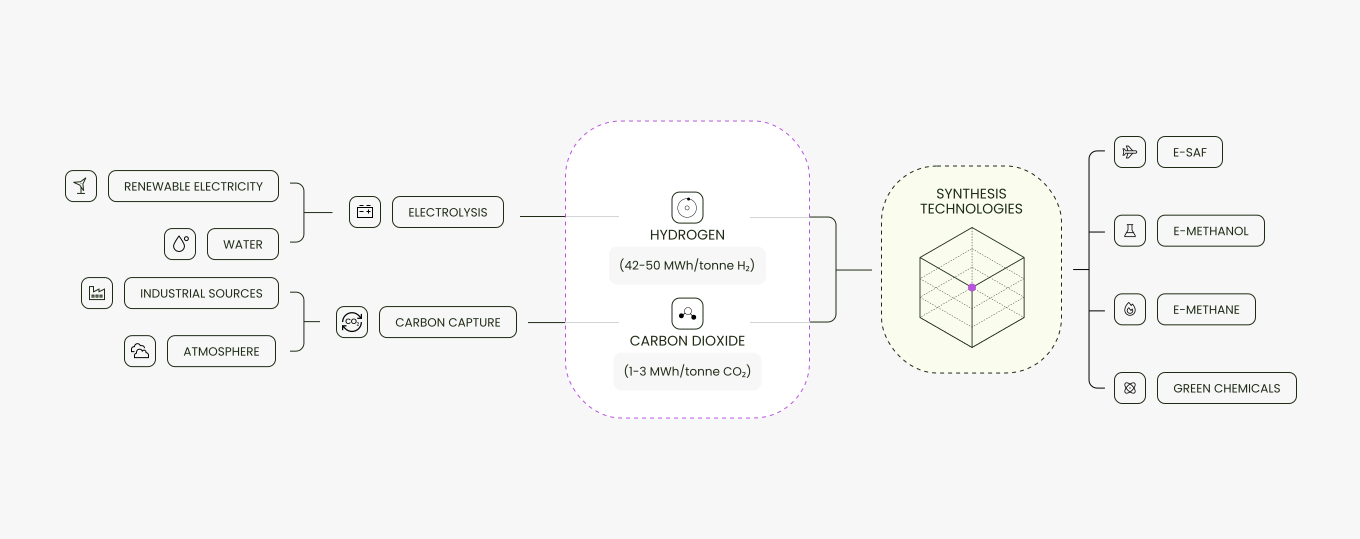
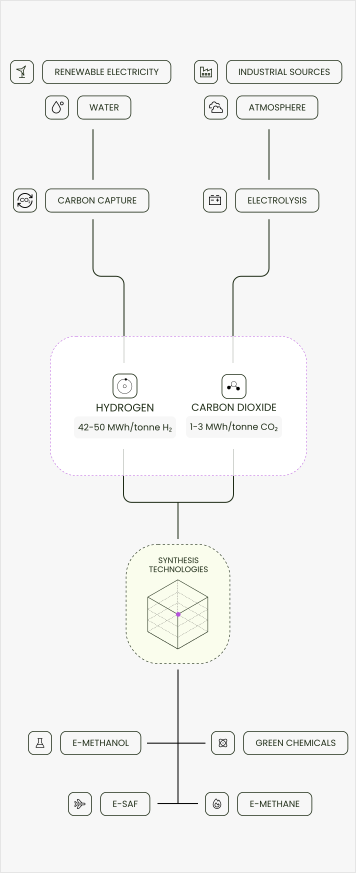
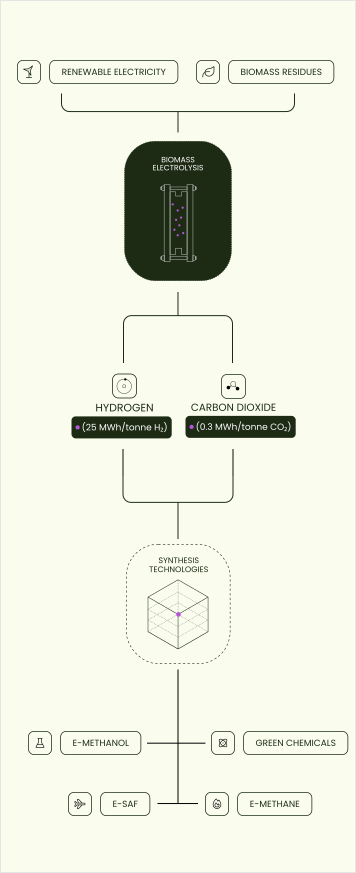
Green hydrogen and CO₂ at the lowest cost

Solution
Ki 13 has developed the world’s only low-temperature, electrochemical process to affordably produce separate, pure streams of green hydrogen and biogenic CO₂ from abundant biomass residues
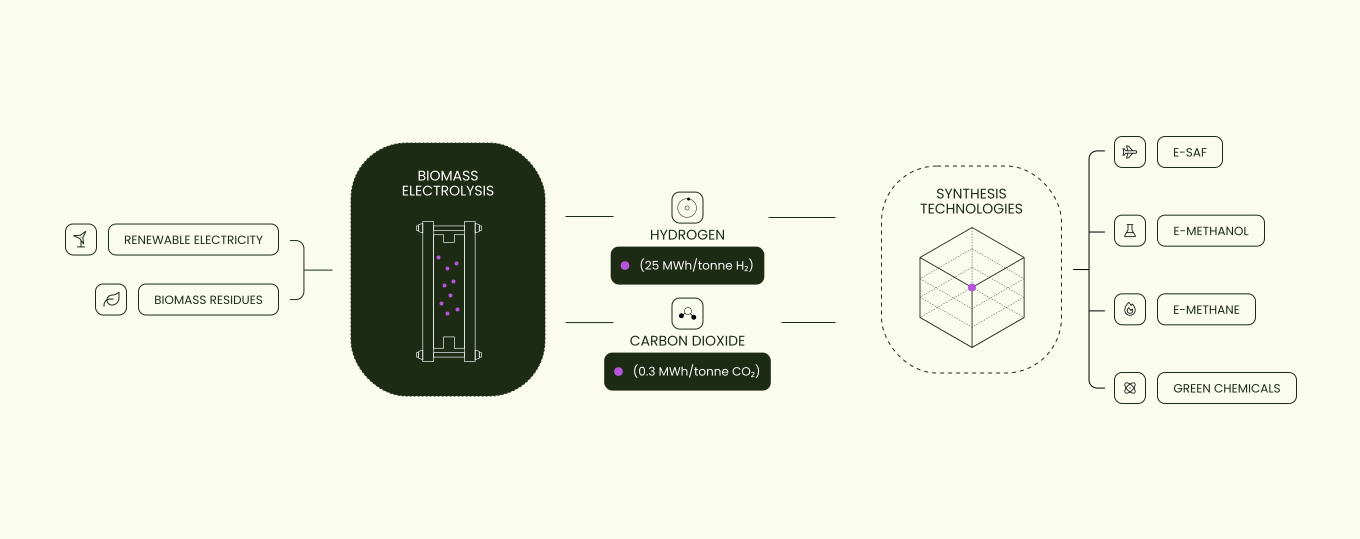
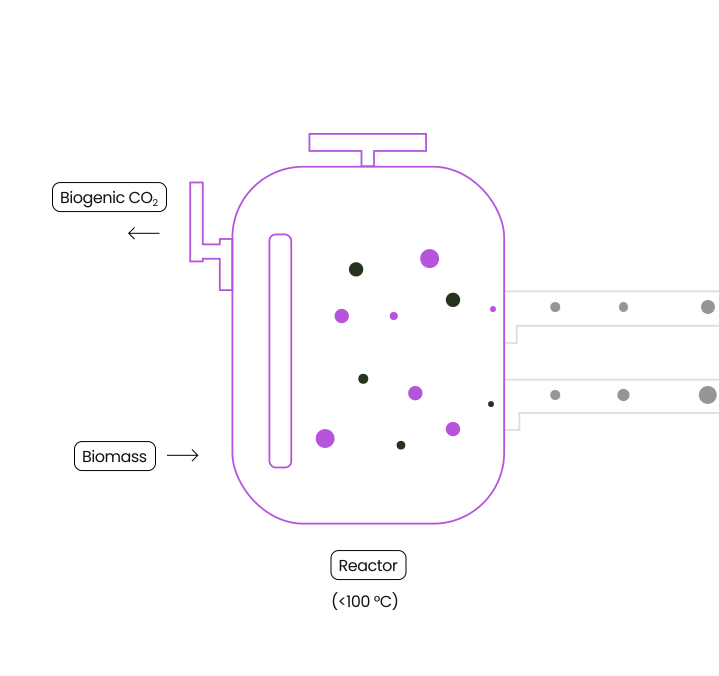
Biomass breakdown to produce biogenic CO₂
01
Biomass residues are fed into a mildly heated solution containing a catalyst mediator. The catalyst breaks down the biomass into biogenic CO₂ and hydrogen ions.
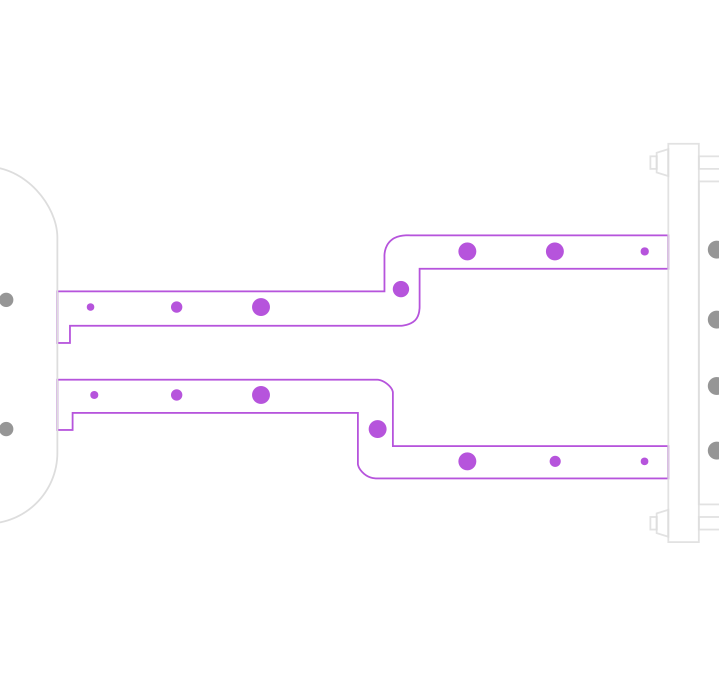
Continuous catalyst looping
02
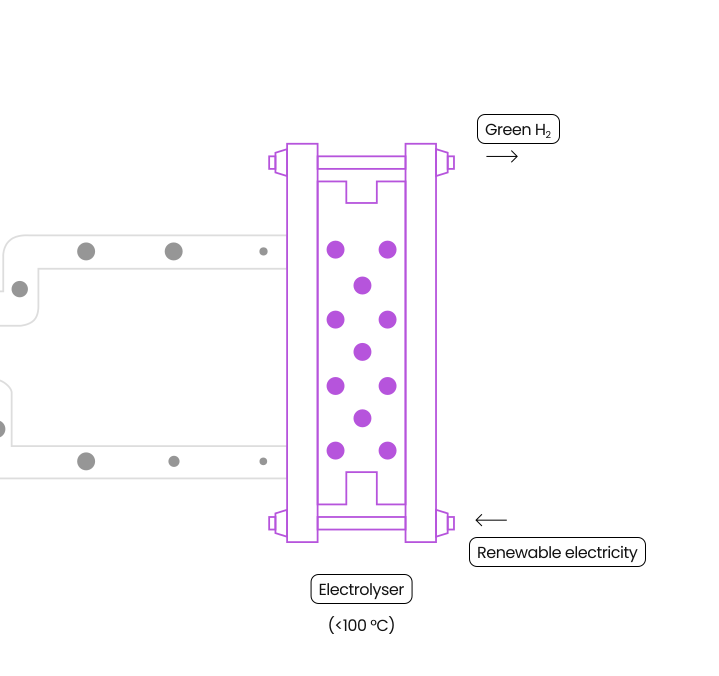
The spent catalyst is pumped into the electrolyser, where it is regenerated and then looped back into the reactor to break down more biomass
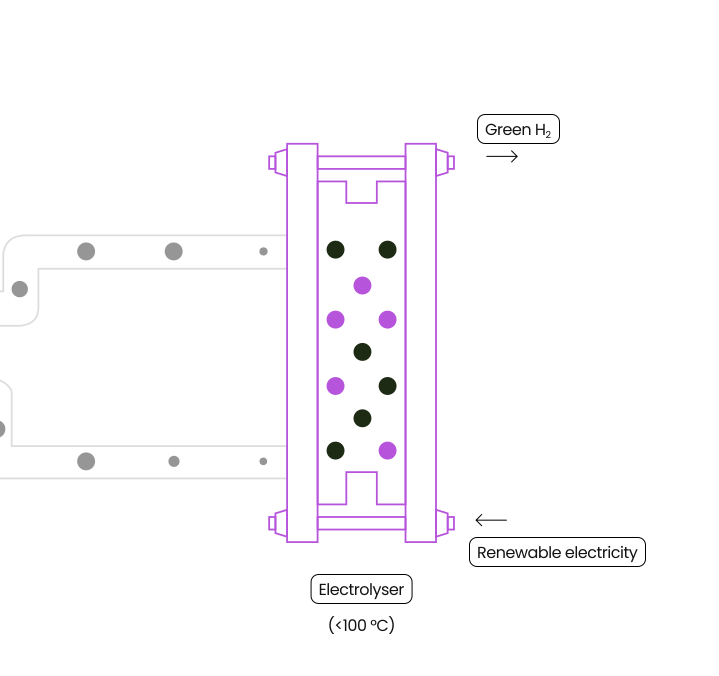
Electrolytic hydrogen production
03
The catalyst regeneration replaces the energy-intensive oxygen production step, while still producing high-purity green hydrogen powered by renewable electricity.
1
Feedstock
Abundance
Lignocellulosic biomass is one of the world's most abundant resources, with an estimated 150 billion tonnes generated each year. Around 5 billion tonnes are residuals that can be economically aggregated, enough to generate over $2 trillion worth of green hydrogen and biogenic CO₂. Rather than letting them decompose and release CO₂ back into the atmosphere, we transform them into valuable chemical feedstocks.
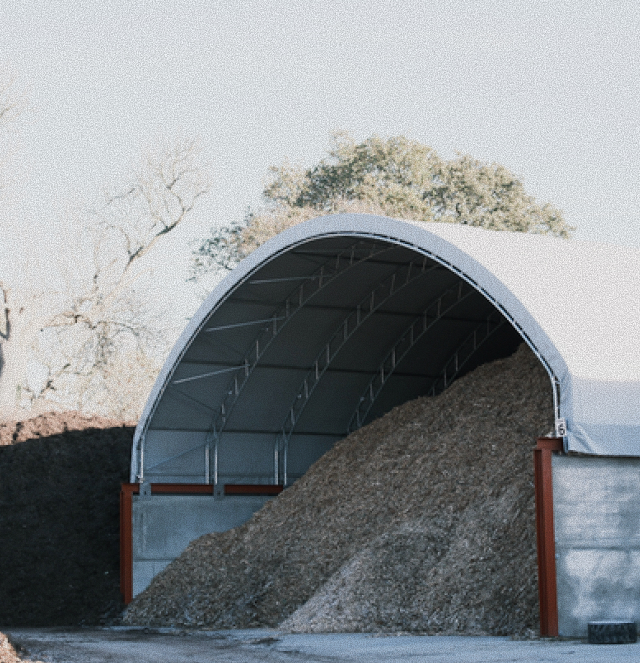
Sustainable Forestry
Billions of tonnes of wood waste and forestry residues are generated at sawmills, pulp mills, and forestry sites every year. Most are left to decompose or are burned, making them a concentrated, continuous and underutilised feedstock resource.
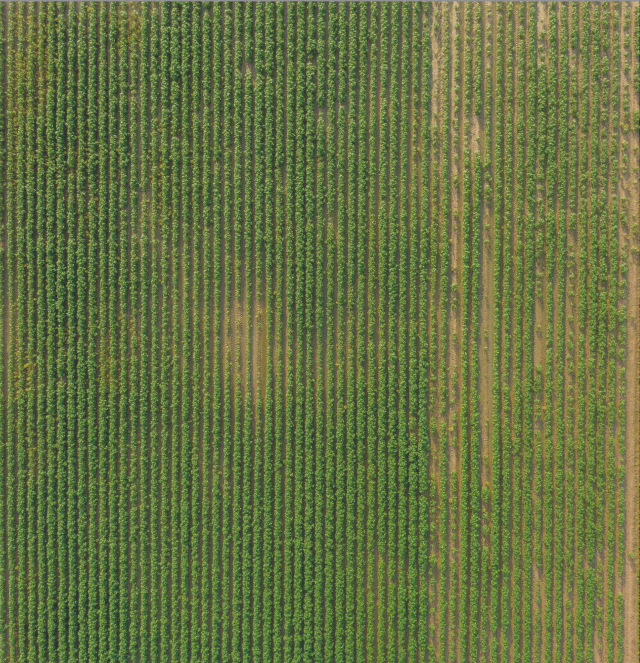
Agriculture Residues
Agricultural residues, including wheat straw, corn stover and sugarcane bagasse, represent the most abundantly available lignocellulosic biomass. Generated as byproducts of food production, they are typically left to rot or burned in the field. We valorise these residues without competing for land.
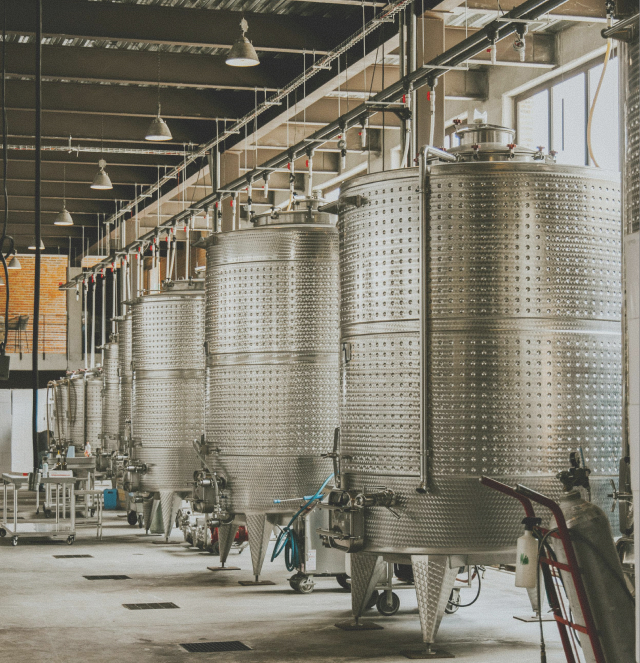
Industrial Side-streams
Industrial processes such as brewing, bioethanol production and paper pulp generate large quantities of lignocellulosic side-streams year-round. These byproducts are typically aggregated with established supply chains and disposed of at cost.
Market Confidence
Ki 13 is building strategic relationships across synthetic fuels, industrial energy, and infrastructure sectors as demand for scalable low-carbon feedstocks accelerates globally.
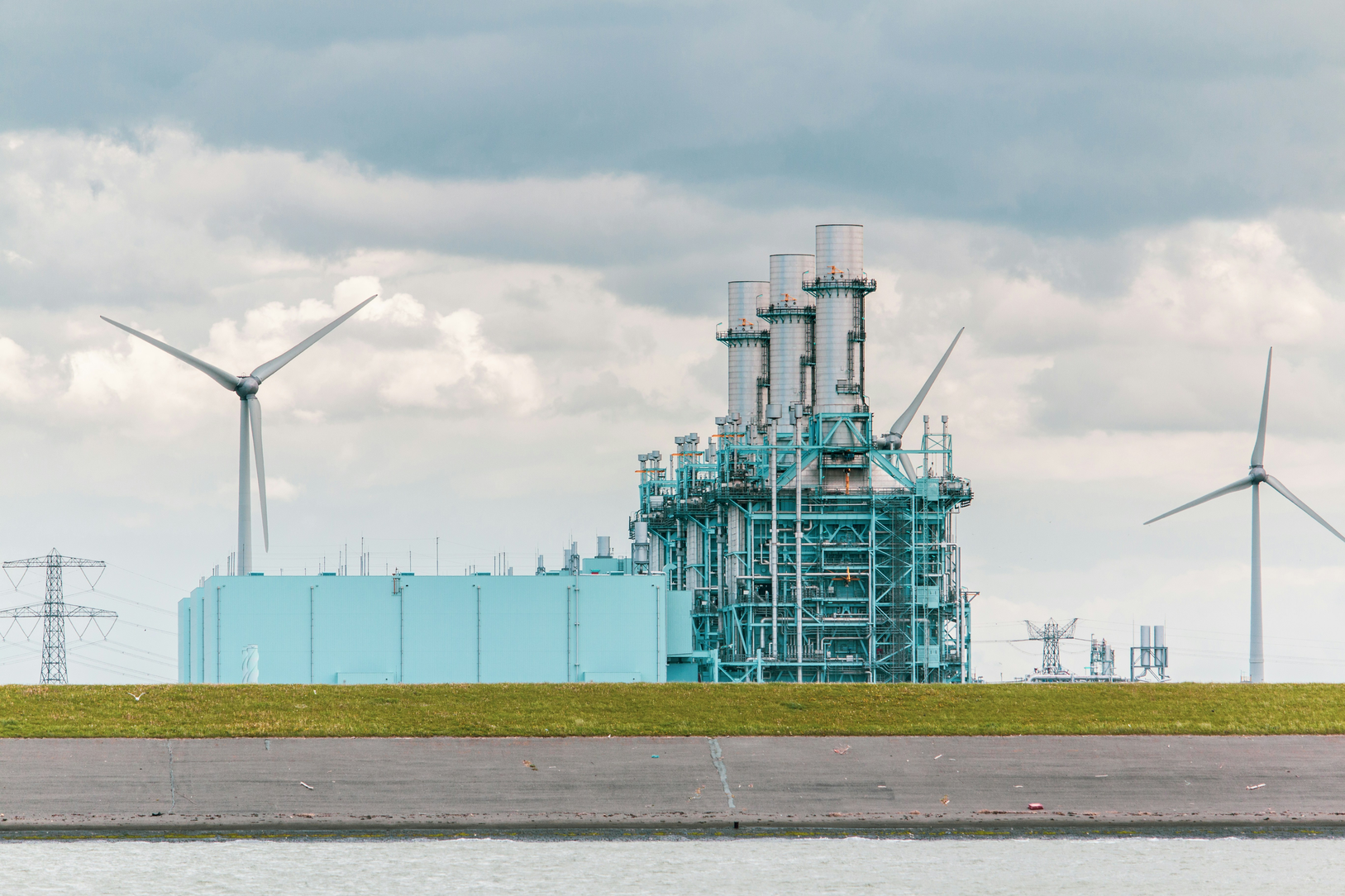
Commercial LOIs Signed
Letters of Intent worth more than $15M in ARR are signed with leading European e-fuels producers across Sustainable Aviation Fuel, e-Methanol, and e-Methane.
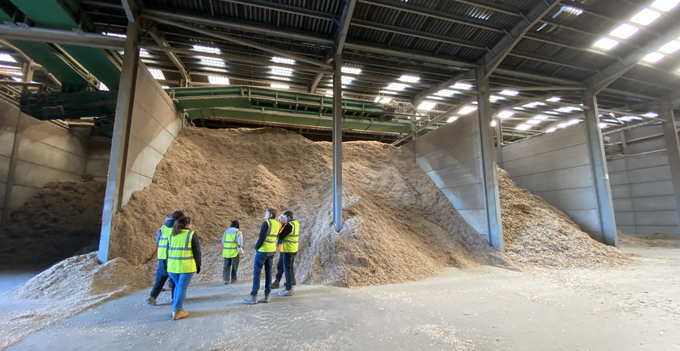
Biomass Supply Secured at Scale
We have agreements with a range of biomass feedstock suppliers to support the next five years of scale-up
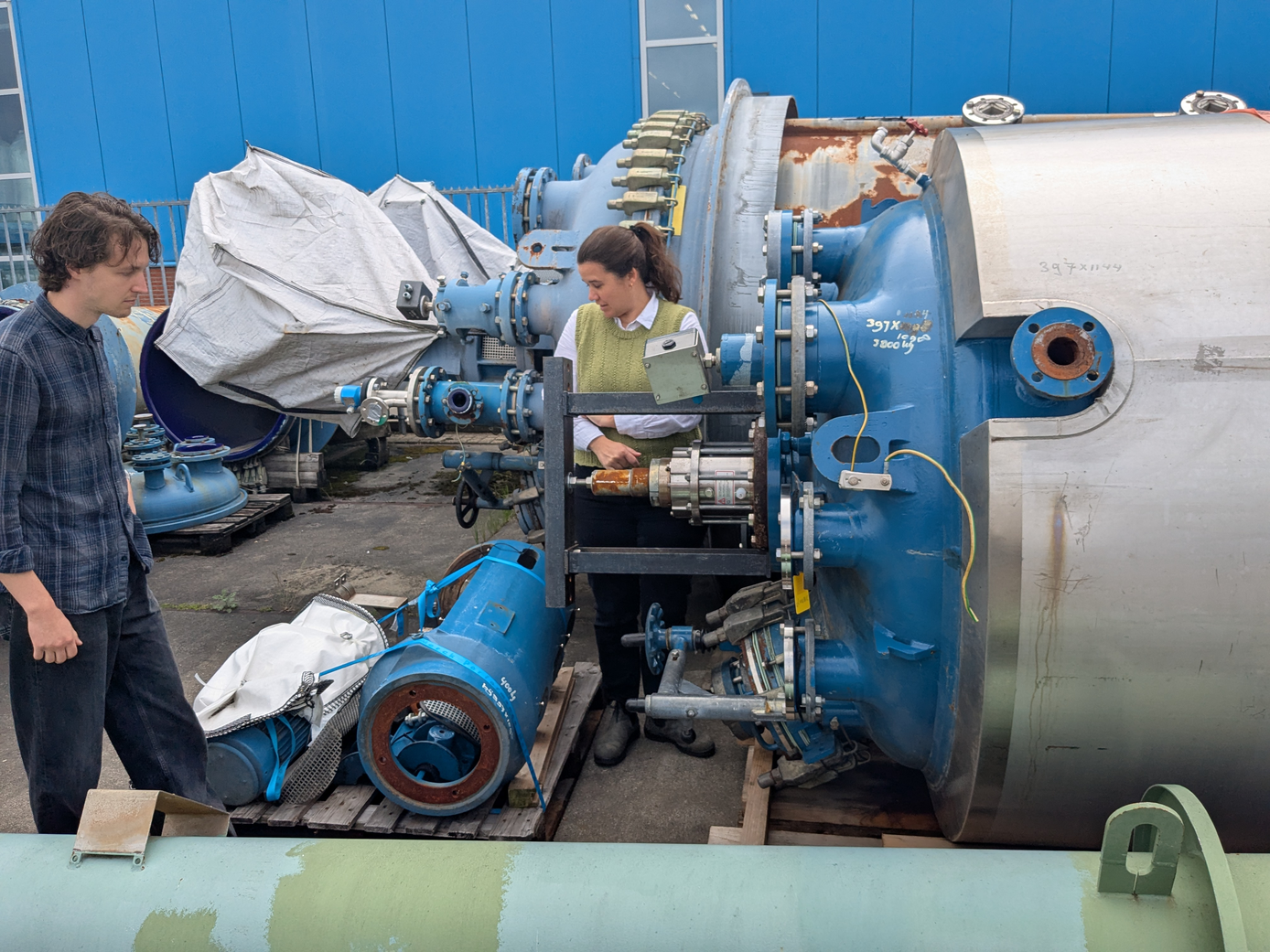
Industrial Pilot Underway
5 tonnes H2/year production capacity based in West London to achieve TRL 6 in 2027
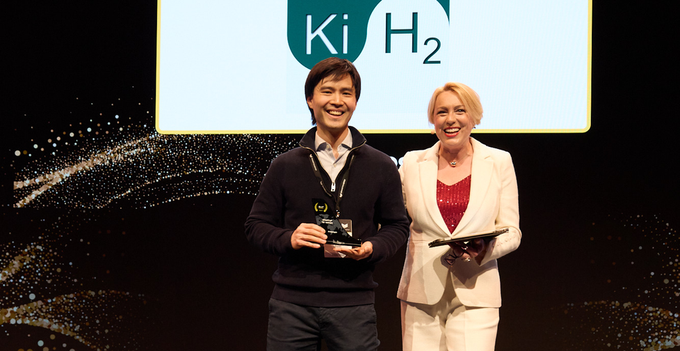
Industry Recognition
- Startup to Watch 2026 winner SAFTAs
- IAGi (International Airlines Group) accelerator
- Earthshot Prize nominee
- IAGi (International Airlines Group) accelerator
- Earthshot Prize nominee
What we stand for
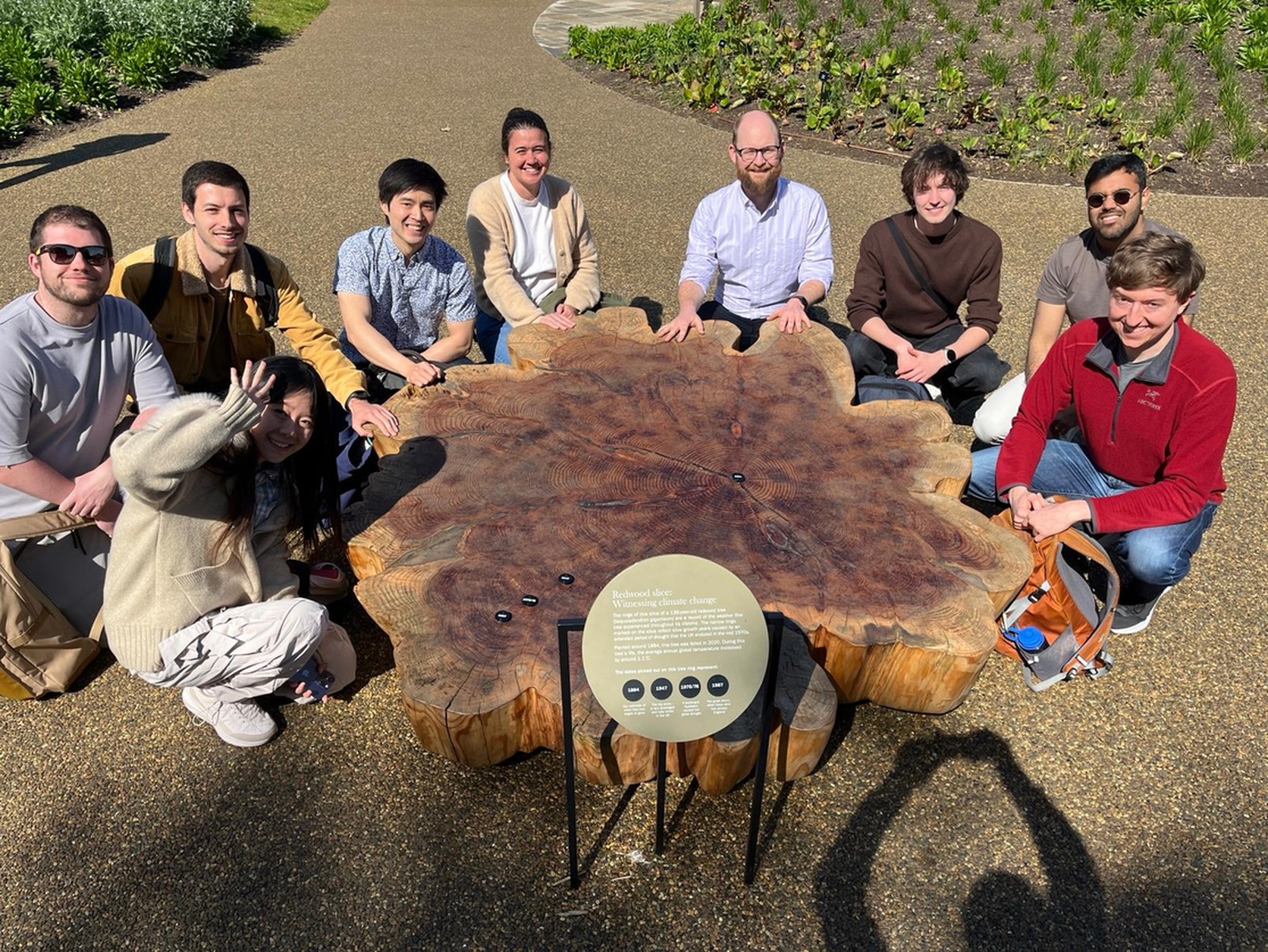
Becoming a change-maker takes more than good technology. It takes a team that holds itself to the same standard, in how we work together and how we treat the planet we’re trying to help.
Trust & Transparency
We are built on trust and transparency. We trust each other as a given, knowing we are all motivated to work hard toward the same goal. We are open and transparent in everything we do, since this builds understanding, buy-in, and confidence within the company.
Live & work sustainably
Sustainability is the reason we work here. We are driving for a more sustainable world, and we want to live that - this means finding the right balance in how you live, but also how you work to stay motivated and engaged for the long run.
Collaborate & Support
Everyone is in this together and our wins are together, as are our losses. We strive to collaborate and support each other in everything we do, breaking down barriers and silos that will only get in our way.
Diversity of thought
Our challenges require creativity and out-of-the-box thinking, which we know comes from a team and community built on diverse backgrounds, experiences, and skills.
Solving the largest cost problem for clean fuels by producing their essential chemical feedstocks from abundant biomass.
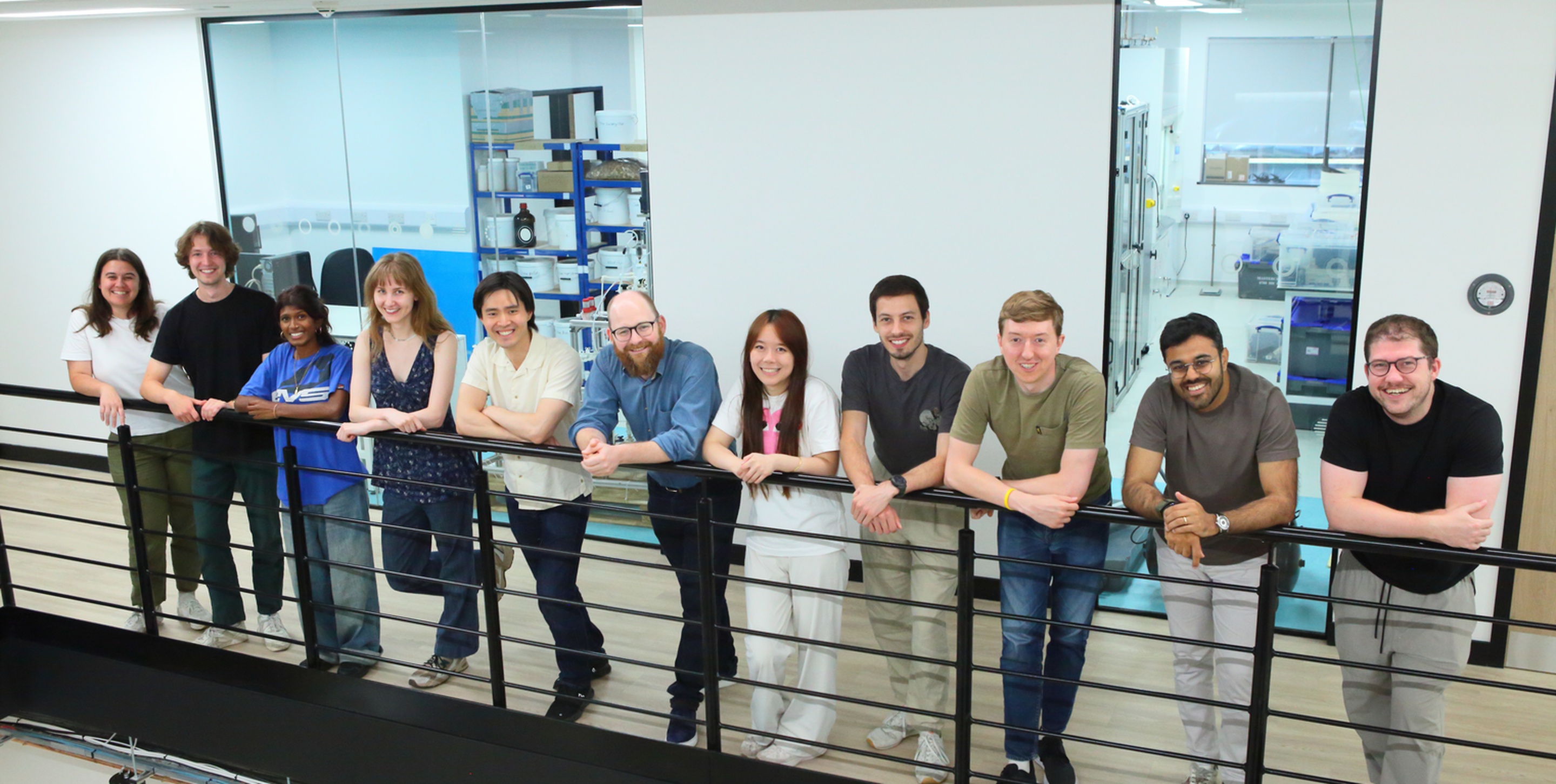
Deep industrial, electrochemical, and climate tech expertise built for execution
Ki 13 combines experience across hydrogen infrastructure, electrochemical systems, carbon technologies, and advanced research institutions to accelerate commercial deployment of biomass electrolysis.
Supported by





Koji Muto, MBA
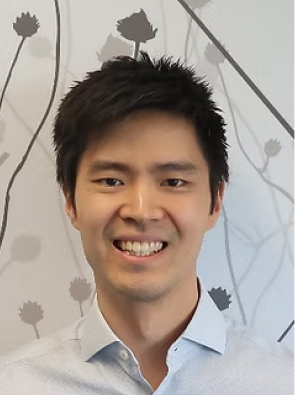
Koji Muto, MBA
Co-Founder & CEO
Koji has world-class industrial experience developing the UK's largest hydrogen project ($1 billion) while at ExxonMobil. He was an early hire at a small modular nuclear reactor startup ($100M raised) and at a direct-air-capture startup ($5M raised). MBA from London Business School.
Michael Stanton, PhD
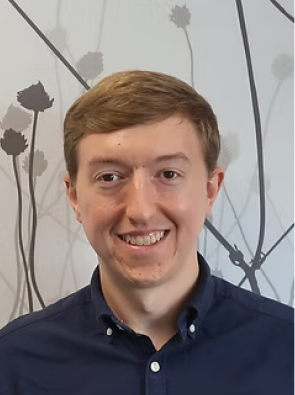
Michael Stanton, PhD
Co-Founder & CSO
Michael has a strong scientific and research background, covering materials engineering, chemistry, and a PhD in physics/nanotechnology from the University of Cambridge. His recent work focused on novel methods for the generation of green hydrogen from waste materials.
Matthew Howard, CEng
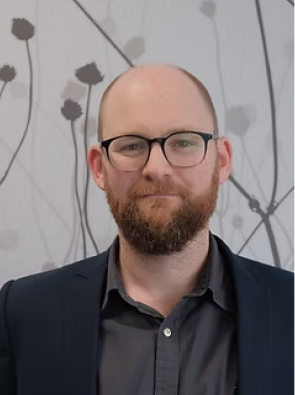
Matthew Howard, CEng
Chief Engineer & CTO
Matt brings 15 years of cross-functional experience in chemical processing plants, spanning mature to new technology piloted in <12 months. As Engineering Lead at Mission Zero, he led the scaling through their Series A to 3x commercial FOAK facilities in just three years.
Yue (Vivian) Wen, PhD
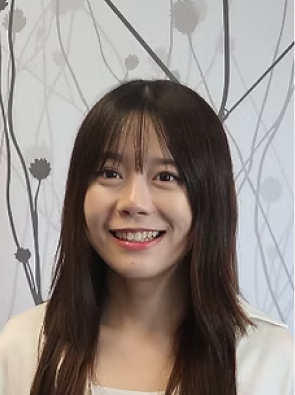
Yue (Vivian) Wen, PhD
Principal Scientist, Electrochemistry
Vivian holds a Master's and a PhD in Chemical Engineering from University College London, where she focused on electrochemistry for redox flow batteries and achieved a 10% improvement in battery energy efficiency. She continued as a Research Fellow, developing novel electrolysers.
Samuel Bates, PhD
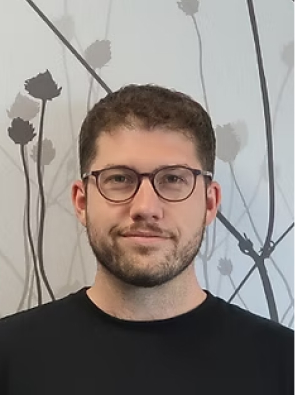
Samuel Bates, PhD
Principal Scientist, Biomass
Sam holds a PhD in Chemistry from Cardiff University, where he designed novel catalysts for the synthesis of advanced biofuels and carbon dioxide utilisation. He was previously at the National Physical Laboratory (NPL), developing analytical methods for assessing hydrogen fuel quality.
Joseph Frewin, AMIChemE
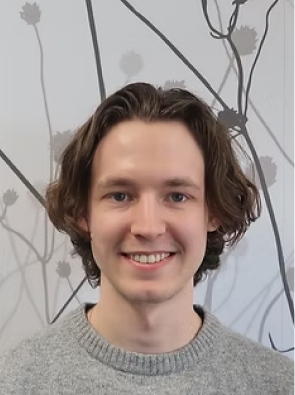
Joseph Frewin, AMIChemE
Chemical Engineer
Joe holds an MSc from Imperial College London in Chemical Engineering, where his master’s project focused on the process design of carbon capture systems. He has since gained diverse experience, from offshore oil and gas to innovative R&D at a climate-tech start-up where he helped design and operate pilot-scale bioreactors.
Aayushman Goyal, MBA
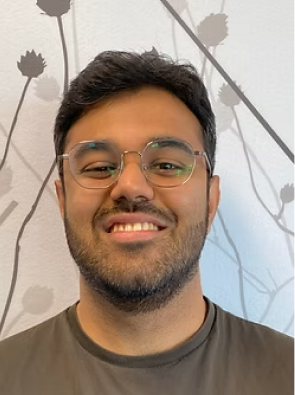
Aayushman Goyal, MBA
Chief of Staff
Aayushman has six years of experience in renewable energy, where he built a product to improve energy efficiency and reduce water usage in large-scale solar plants in India. He has experience in driving strategy and partnerships to accelerate the adoption of emerging climate technologies. MBA from London Business School.
Tegan Corker
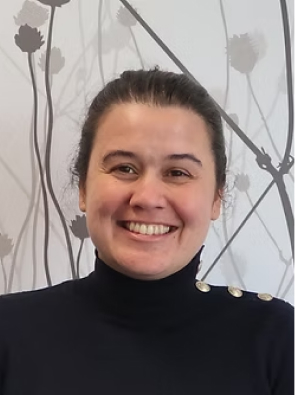
Tegan Corker
Senior Process Engineer
Tegan brings over a decade of experience as a process engineer within the traditional oil and gas sector. She began her career in Western Australia, specialising in production support for FPSO units and LNG plants. Most recently, Tegan has led the design and delivery of diverse projects, ranging from conceptual studies and brownfield upgrades to large-scale LNG facility modifications.
Andrew Stenning
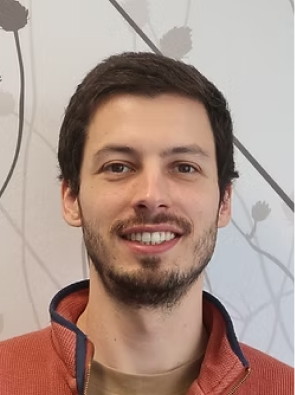
Andrew Stenning
Stack Engineer
Andy holds an MEng and began his career as a Test Engineer at Cummins. Previously, he worked at Bramble Energy as a Stack Engineer for PEM fuel cells. With over three years of experience, Andy specialises in understanding stack performance and degradation. He has successfully scaled liquid-cooled PEMFC stacks from <1 kW to 50 kW and led the delivery of numerous commercial demo units.
Thomas Butler
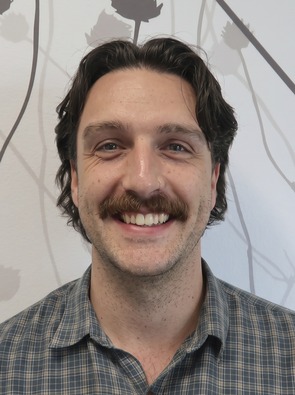
Thomas Butler
EC&I Engineer
Tom started his career designing and implementing control systems in the Australian Mining and Oil & Gas industry. While working in the UK, his focus has shifted to the energy transition, where he has contributed to the development of Blue Hydrogen and Carbon Capture technology for the East Coast Cluster. With a BE (Elec & Elec) and BMaCompSc, he is the focal point for EC&I design on Ki 13 projects